Q&A: Identifying and Fixing Front Counter Inefficiencies
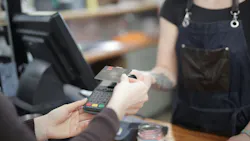
If a shop is struggling to perform alignments on time, the simple answer would be to add another lift. But what about the issues outside of the bay? Ratchet+Wrench spoke with Randy Modos, president and co-founder of PayJunction, about how owners can identify and address inefficiencies at the front counter, just like those in the bays.
R+W: When you talk with auto repair shops, what are the most common inefficiencies you see in their payment processes?
Randy Modos: One of the biggest inefficiencies we see is when payment workflows live in a separate system from the shop’s management software. That usually means staff have to re-enter transaction details manually, which takes time and increases the risk of errors. This is especially evident when it comes to financing options.

As consumer budgets are increasingly stretched thin, offering flexible payment options is a necessity for shops. Unfortunately, many of the Buy Now, Pay Later solutions require staff to switch between multiple systems or workflows, which creates friction for both staff and customers. The goal should be to have financing options built directly into staff’s existing workflows without any downtime or disruption.
R+W: Many shop owners assume modernizing payment systems requires replacing their shop management software. What options exist for shops that want to improve efficiency without a complete overhaul?
Modos: A full replacement usually isn’t necessary. Many shops can improve efficiency by adding modern payment technology that integrates with their existing workflow, rather than starting from scratch. That can mean connecting payments to the systems they already use, automating routine steps, and reducing the amount of manual work staff have to do every day. The right solution should fit into the shop’s current process, not force the shop to rebuild it. For many businesses, the easiest path is to modernize payments in a way that is nondisruptive and scalable over time.
R+W: Customer expectations around convenience continue to evolve. How have those expectations changed, and what does that mean for independent repair shops?
Modos: Customers now expect the same level of convenience from a repair shop that they get from other service experiences in their lives. They want fast, secure, flexible ways to pay, whether that’s in person, on the phone, or through a digital checkout process. They also expect fewer steps and less paper. For independent repair shops, that means payments are no longer just a back-office function. They’re part of the customer experience, and shops that make the payments process easier will stand out for their service, professionalism, and responsiveness. This not only improves the customer experience but also makes customers more likely to return.
R+W: Beyond simply accepting credit cards, where can payment technology have a measurable impact on a shop's profitability or operations?
Modos: Beyond simply accepting credit cards, integrated Buy Now, Pay Later solutions can have a direct impact on revenue. When financing is built directly into the shop's workflow, service advisors can see a customer's prequalified financing amount during the estimate phase and confidently present recommended repairs alongside payment options. The result is higher repair approval rates, fewer delays, and customers moving forward with needed vehicle maintenance and repairs.
R+W: For shop owners who suspect their payment process may be slowing them down, what signs should they look for, and what first steps would you recommend?
Modos: Common warning signs include staff spending too much time on manual entry, frequent payment errors, slow checkout times, paper receipts or invoices that are difficult to track, and reconciliation that feels more complicated than it should. If a shop is noticing repeated friction at the front desk or hearing complaints from customers about convenience, that’s a strong signal that the process needs attention. The first step is to map out the current workflow and identify where time is being lost. From there, shops should look for payment solutions that integrate with their existing systems, reduce manual tasks, and improve the experience for both staff and customers.
About the Author
 Griffin Matis
Griffin Matis
A graduate of the University of Missouri School of Journalism, Griffin Matis writes for Ratchet+Wrench magazine. Previously, he wrote and edited digital content relating to health, entertainment, pop culture, and breaking news.