Report: Price of EV Materials on Decline
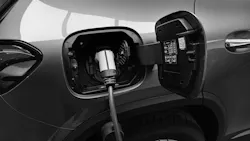
The price of electric vehicles (EVs) has fallen by almost 20% in one year, Kelley Blue Book reports.
Though government incentives have played a role in price decreases, it isn’t the sole reason. Prices for the materials needed to create EV batteries have been on the decline, making it a large factor as well.
A recent report from Benchmark Mineral Intelligence has stated that the global weighted average price for lithium-ion cell prices has experienced a $100 drop per kilowatt-hour for the first time in two years as raw material prices also decline.
Additionally, the price for lithium has “more than halved since the start of 2023,” the report said. The price for other materials, such as cobalt, sulfate, and nickel has also declined.
The report, however, notes that this is a global average. In the United States, tax rebates of up to $7,500 are offered on the purchase of EVs, but to qualify for the full amount, the vehicle’s battery must be made with U.S.-sourced materials, or from certain partner countries.
For the cost of EVs to fall to that of an internal combustion engine, battery pack prices would need to cost $100/kWh, not including subsidies, and cell prices would need to reach around $80/kWh.
Today, cell prices sit at $98.20/kWh, which is a 33% decrease from last March’s high of $146.40.