Electric Vehicle Adoption Struggles to Meet Industry Goals
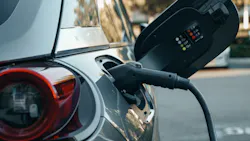
Many automakers are rethinking their plans for electric vehicle production as they struggle with the rate of EV adoption, Reuters reports.
Legacy automakers as well as EV startups including Tesla and Rivian have been rethinking investments and product strategies as a result of slow EV adoption, fueled by consumer doubts surrounding affordability and adequate infrastructure.
The cost to produce EVs is still higher than it would be for a non-electric vehicle. Along with high-interest rates, it makes it difficult for automakers to offer an affordable car while still keeping a profit. Even EV giant Tesla has had to cut prices to maintain functional assembly lines.
Charging stations are another obstacle preventing many from switching to an EV. The lack of available chargers has forced legacy automakers to utilize Tesla’s Supercharger network to be compatible with their EVs. Even with this, the time it takes to charge compared to the time it takes to fill a tank up with gasoline can be a turnoff for those considering an EV.
Though EV production is on track to increase to almost 7 million vehicles by 2030, it would fall roughly 60% short of meeting the Biden administration’s goals of EVs accounting for two-thirds of new vehicles by 2032. As a result, industry executives are urging the U.S. government to reconsider its proposed emissions standards.