Key Highlights
- Rebranding requires comprehensive planning beyond just visual updates, including legal, digital, and operational changes.
- Effective communication with customers during the transition helps maintain trust and minimizes confusion.
- Focusing on a versatile, simple logo ensures the brand works well across signage, apparel, and digital platforms.
- Digital presence should be prioritized early, with careful management of website updates and online profiles to retain search rankings and reviews.
- Understanding local regulations and permit requirements is crucial to avoid unexpected costs and delays during signage and physical rebranding efforts.

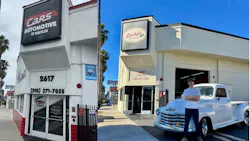
When Tom Eisenberg decided to rebrand his newly acquired shop in Southern California, he says there was a lot more that went into the process than he initially anticipated.
“It was rough,” Eisenberg says.
That blunt assessment is all too common for shop owners that have entertained the idea of a rebrand. On the surface, the process can look straightforward: a new logo, new colors, and maybe a new sign out front. In reality, however, it can be one of the most disruptive and stressful processes a shop owner takes on.
Eisenberg, owner of Lucky’s Auto Care, and Jason Bridges, owner of Spring Creek Automotive in Spring, Texas, both acquired existing shops and took them through full-scale rebrands to better match their visions of what they wanted from their shops. Their experiences were different in execution, but both had a common theme: A successful rebrand requires far more planning, patience, and operational awareness than most owners expect.
Knowing When a Rebrand Is Necessary
Eisenberg acquired his shop in 2024. At the time, it operated under the same name—Cars Automotive and Muffler—that had been in place since 1978 and hadn’t been meaningfully updated in decades. After running it for about a year, he realized the brand didn’t reflect his vision.
“I wanted to build something of my own,” he says.
That decision marked the beginning of a complete overhaul. Eisenberg wasn’t new to the rebranding process; he had previously refreshed the branding at his grandfather’s shop, keeping the name while modernizing the visuals.
He described that experience as relatively smooth and even enjoyable. However, this time with his own shop was different.
“With Lucky’s, I had no brand recognition,” he says. “I had to build brand recognition again.”

Bridges faced a similar identity challenge. The shop he purchased was called Scott’s Automotive, and as he points out, there was a good reason for a rebrand.
“I’m not Scott,” Bridges says, “and Scott’s no longer here.”
After spending about a year getting to know the customers and the area, Bridges decided it was time to put his own stamp on the business.
He chose the name Spring Creek Automotive, tying the shop to a well-known local landmark and a longer-term vision of potentially opening multiple locations in the area.
For shop owners, the distinction between a brand refresh and a full rebrand matters. Updating visuals while keeping a familiar name can re-energize a business without resetting customer awareness. Changing the name entirely, however, means starting from scratch in many ways.
The Hidden Work Behind the Scenes
One of the biggest misconceptions about rebranding is that it’s primarily a creative exercise. While the creative assets are important and are the most visible parts of a rebrand, Eisenberg says, there’s much more to the whole picture.
“There was the physical rebrand, the digital rebrand, and then the legal rebrand,” he says. “That’s the part nobody thinks about.”
Despite keeping the same tax ID, Eisenberg had to update business licenses, DBAs, supplier accounts, and vendor paperwork. Some suppliers required entirely new accounts to be created before he could order again.
“It was a nightmare,” he says. “I would pay someone to do all the legal stuff if I did it again.”
Bridges ran into a different set of surprises, particularly around signage. While he planned to replace the look of his exterior signage, he quickly learned that permits often dictate size and placement, limiting flexibility. Even removing old signage proved expensive.
“It was upwards of $5,500 just to take them down,” Bridges says. “It’s way more involved than I anticipated.”
Both owners emphasize the importance of researching these logistical details before committing to a timeline or budget.
Digital First
Although every situation is different, both Bridges and Eisenberg agree that every owner going through a rebrand should focus on their shop’s digital presence first.
Eisenberg started with what he calls the “digital universe,” building the website and online infrastructure first, knowing it could take months to complete. He timed the launch carefully so the new website went live the same week the physical rebrand was completed.
“I don’t know why I wanted it so perfectly timed,” Eisenberg says, “but once the signs went up, the website went live, and we killed all the old marketing.”
Bridges learned a different digital lesson: Changing a shop’s name effectively resets its online history.
“When you change the name, all that Google history pretty much goes away,” Bridges says. Reviews, search rankings, and map listings don’t automatically transfer to a new brand.
To reduce confusion, Bridges used “Spring Creek Automotive, formerly Scott’s Automotive” across his website, mailers, and communications for several months. He also kept the old website active with redirects to the new one.
“It really helps stave off confusion,” he says. “Especially for existing customers.”
Updating Google Business Profiles, Apple Maps, and other platforms also required hands-on effort and verification, which is another area where outside marketing support proved valuable.
Designing a Brand That Works Everywhere
While the operational side was the most stressful, both owners also agree the creative side was the most rewarding.
“The branding was the fun part,” Eisenberg says. “Thinking about the logos, the colors, what the shop’s going to look like.”
That doesn’t mean design choices should be made in isolation. Bridges focused heavily on versatility, putting a lot of time and thought into how the logo would look on signage, shirts, print materials, and digital platforms.
“It has to work everywhere,” he says, “not just on the sign out front.”
Instead of hiring a full-service agency, Bridges used an online logo contest platform, allowing designers from around the world to submit concepts based on his guidelines. He refined the final design with feedback from family, friends, and trusted customers.
“I love my logo,” he says. “They nailed it, and it was very cost-effective.”
Both owners caution against getting too caught up in trends or overly detailed designs. Simplicity, readability, and visibility—especially at night—matter more than cleverness.

Communicating Change Without Losing Customers
A major fear for many shop owners is losing existing customers during a rebrand. Both Eisenberg and Bridges found that communication was key.
Bridges’ “formerly Scott’s Automotive” approach helped customers connect the dots during the transition. Eisenberg’s experience showed how powerful visibility can be when done right.
“We’ve had people call and say, ‘I never even noticed there was a shop there,’” Eisenberg says.
Located on a busy street, Lucky’s new signage and fresh look helped the shop stand out from neighboring businesses with aging exteriors. The result was an increase in walk-ins and strong feedback, especially from younger customers.
Was It Worth It?
Despite the stress, cost, and occasional frustration, both owners say the rebrand delivered.
The response has been overwhelmingly positive. Customers compliment the look. Some have even asked for branded merchandise, a sign that Eisenberg says means the brand is resonating.
Looking back, Eisenberg wishes he had tackled the process sooner and delegated more of it. Bridges is glad he went through it hands-on, knowing the experience will pay off if he opens future locations.
Deciding to go through a rebrand is a big step for any business. Both owners say the most important considerations are deciding whether your brand aligns with your mission, who your customers are, and what you want your overall customer experience to be.
Fixing cars correctly is the baseline. In today’s market, brand and experience are how customers decide which shop earns their trust.
About the Author
 Noah Brown
Noah Brown
Noah Brown is a freelance writer based in Stillwater, Minnesota. He graduated from the University of St. Thomas with a degree in journalism in 2019 an has covered the automotive aftermarket and vehicle technology sector since 2021.