Hiring for Soft Skills: Building a Team Customers Trust
Key Highlights
- Mathis prefers hiring candidates with strong soft skills, believing personality is harder to train than technical ability.
- The shop’s customer interactions, like greeting and walking customers to their vehicles, are designed to build trust and foster connections.
- Ongoing training, including shadowing and review of customer interactions, helps employees improve their communication and empathy skills.
- Building a reputation based on trust and respect has transformed Wixon Auto into a trusted community business.
- Mathis encourages other shop owners to value soft skills for long-term customer relationships and business growth.

Two job candidates walk into a shop for an interview. One has a stacked resume with all the technical skills a shop owner could ask for. The other is just beginning an automotive career but has excellent empathy and communication skills. Which one do you hire?
For Bubba Mathis it’s a no-brainer: the second candidate.
“We’re more likely to go with soft skills,” Mathis asserts. “You can’t train personality. We would rather start with that.”
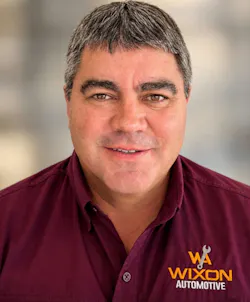
Soft skills are non-technical interpersonal skills, such as teamwork, collaboration, problem solving, and communication. Mathis, owner of Wixon Automotive in Bryan, Texas, wants everyone who walks through his shop’s doors to be treated like a “friend of a friend.” Soft skills are key to making that happen.
His philosophy has helped build lasting relationships and create an environment that customers want to return to and employees want to work in.
Building a team with strong soft skills, however, is easier said than done. Here’s how Mathis hires and trains his employees to create an automotive shop that customers want to visit.
Backstory
Mathis has been involved in the automotive industry in some capacity since he was 16 years old. While he was in college, he began working for the owner of the shop he now runs. The two worked together for 15 years before the owner decided to sell, and Mathis took over.
Problem
The business wasn’t in great shape. It wasn’t located on a main road, there was little marketing behind the shop’s name, and Mathis had to rely on word-of-mouth referrals. He knew he needed to build a stellar reputation, and one way to do that was by establishing trusting relationships with customers.
Solution
Mathis’ philosophy of treating everyone as a “friend of a friend” came naturally to him.
“That’s my personality,” he admits. “I love to talk to people and I started that as a natural business aspect.”
Mathis made sure his team’s demeanor and customer interactions became a form of marketing. In the beginning, he would personally walk outside, shake hands with customers, and introduce himself. As the business grew, he couldn’t always do that. He still does when he can, but he has also built a team he trusts to put every customer who walks through the door at ease.
He didn’t build that team by chance. Mathis says every Wixon employee needs empathy, openness, and strong communication skills because those qualities foster the trust on which he has built his business.
Here’s how he finds candidates with those essential soft skills.
The Hiring Process
Mathis and his manager handle hiring together, and they make a point of engaging with candidates from the start. Mathis says key is making interviews feel more conversational and seeing whether candidates can connect with them and communicate comfortably.
Job Expectations
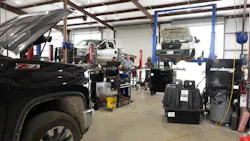
To meet Mathis’ expectations for customer service, team members greet customers at their vehicles, shake their hands, and walk them inside. The service advisor then takes time to walk back out to the vehicle with the customer.
That interaction is important because the short walk can reveal a lot. Are there car seats in the back? A team bumper sticker? Either could provide a natural conversation starter and help establish a connection. The interaction can also offer clues about the customer’s life and how they use their vehicle.
“We try to train and teach that it’s not just looking at the tires,” Mathis explains.
Ongoing Training
Of course, not everyone is a natural at interacting with people. For employees who are great at the technical side but may need help building customer connections, Mathis offers one-on-one training. Employees shadow the manager or Mathis himself to observe customer interactions. Team members can also listen to recorded phone calls and discuss what works and why.
These learning opportunities aren’t limited to employees who need extra help. All service advisors participate in biweekly meetings where they discuss situations they’ve encountered and how they could handle them more effectively.
Aftermath
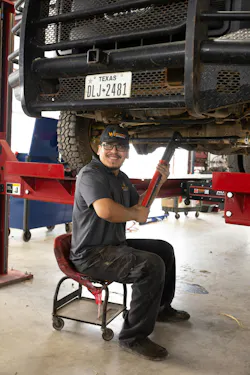
Mathis says it took time to bring the business up to his standards after he took over. He estimates it took one to two years for customers to begin associating the name “Bubba” with Wixon. Winning over new customers was easier because he could make a strong first impression, while existing customers often continued asking for the previous service advisors.
Today, Wixon has a reputation as an auto shop customers can trust. They know they’ll be treated with respect and empathy because that’s what Mathis expects from his entire team.
Takeaway
For shop owners who don’t place much importance on soft skills, Mathis encourages them to reconsider.
“If you’re trying to build long-standing relationships, I don’t think you can without soft skills,” he says.
The auto repair industry has a stigma, and there’s no denying it. Customers often dread walking into a repair shop because they know the visit will cost them money.
“You need to communicate that you are here for them and take the time to explain the process and treat them how you would like to be treated. Try it,” he urges. “I think you’ll be pleased.”
Soft Skills vs. Hard Skills
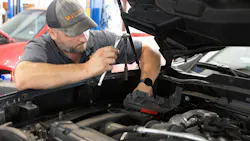
Soft skills are nontechnical abilities that help employees interact with customers and colleagues. They include interpersonal, communication, and listening skills. Hard skills, on the other hand, are the technical abilities required to perform a job.
Here’s how the two compare:
Soft Skills Hard Skills
Communication Reading technical manuals
Teamwork Using computerized diagnostic equipment
Empathy Performing mechanical repairs
About the Author
 Tess Owings
Related

 Mike Allen